Porta de Arcos Roman Villa
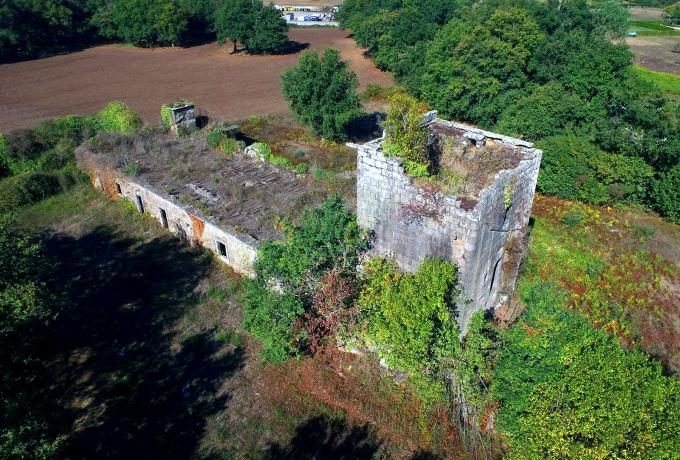
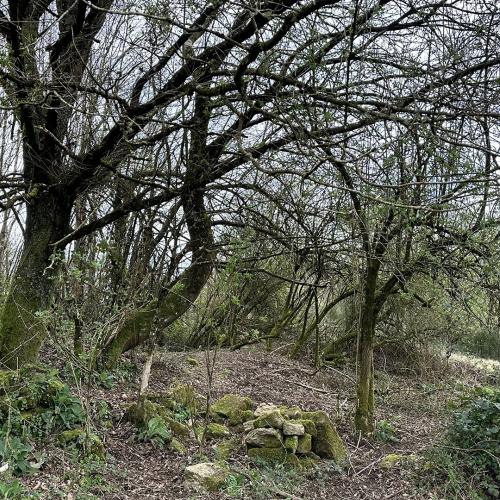
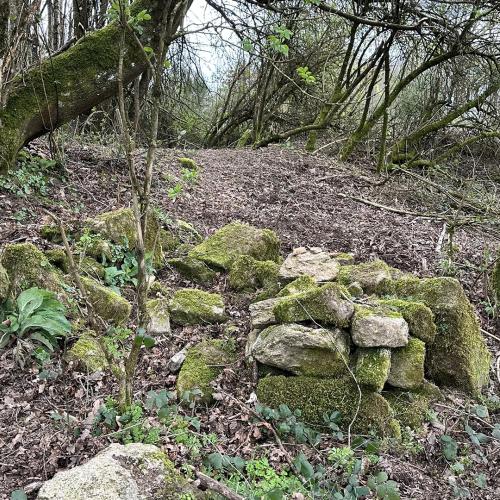
The archaeological site known as the Roman Villa of Porta de Arcos was discovered in 1969 and excavated in 1972 by the Museum of Pontevedra. During the excavation, remains were documented that reveal the importance of the settlement, including column bases, metal objects, pottery, roof tiles and glass fragments, among other materials. Most of the pieces are currently preserved in the Provincial Museum of Pontevedra, while the municipal museum of Rodeiro displays a small selection of the findings.
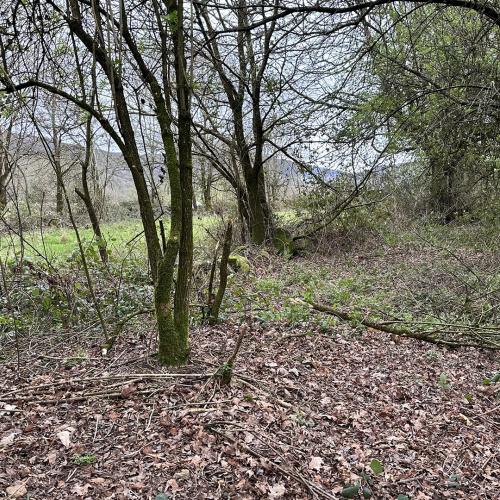
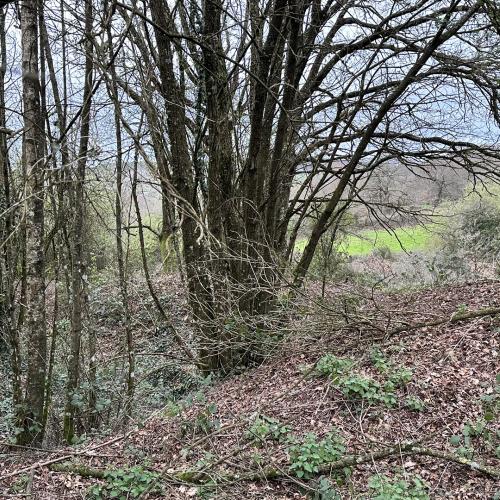
The villa is believed to have been occupied intermittently between the 2nd and 4th centuries AD, functioning as a rural residential and agricultural centre with structures and objects typical of the Roman period. Its location on a small elevation at about 717 metres above sea level provided a clear visual command of the surrounding landscape and facilitated the use of nearby agricultural and livestock resources.
The site offers valuable insight into the organisation and way of life of Roman villas in Galicia, from domestic architecture to the everyday objects used by its inhabitants. Through the recovered and preserved finds, Porta de Arcos represents an important example of Roman heritage in Galicia, combining material history with the archaeology of the region.