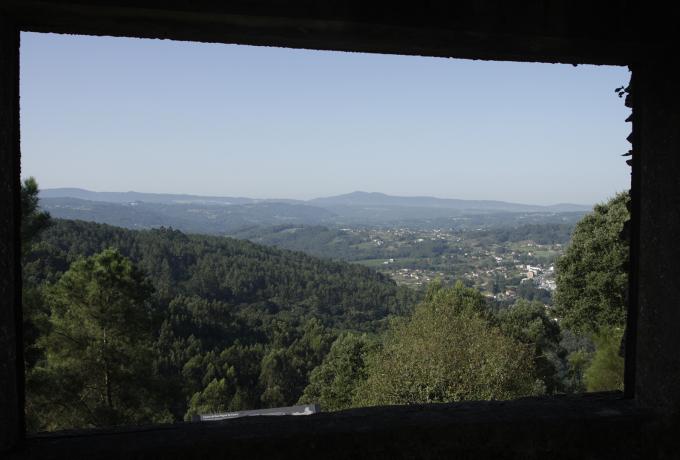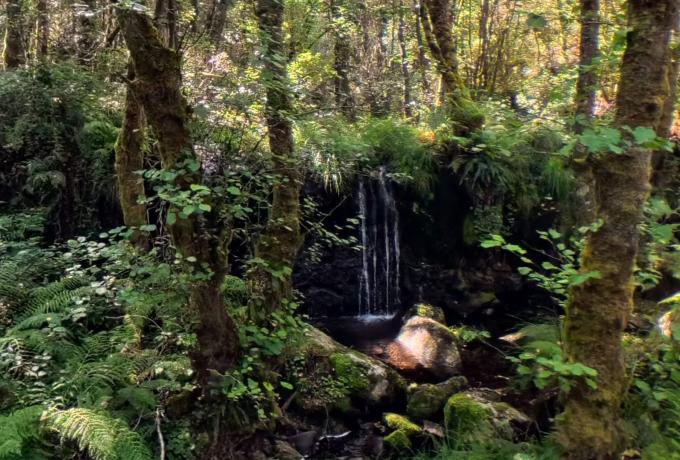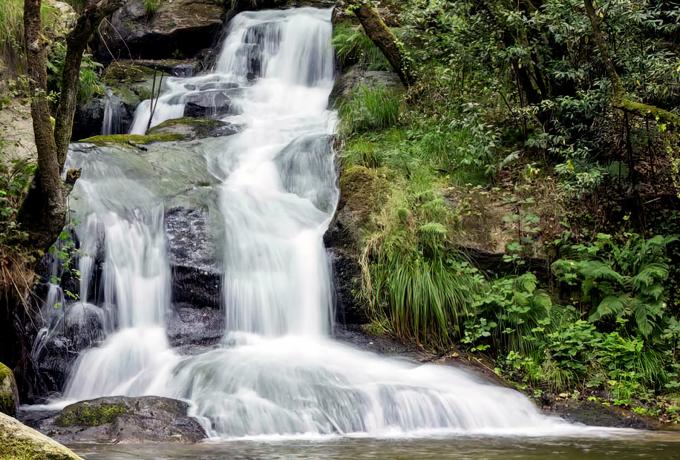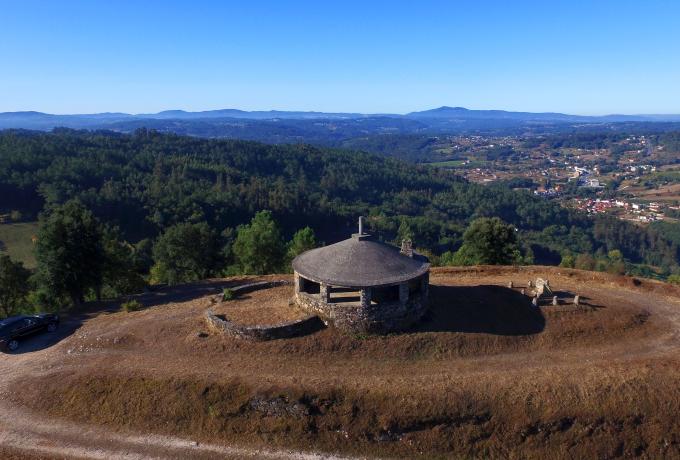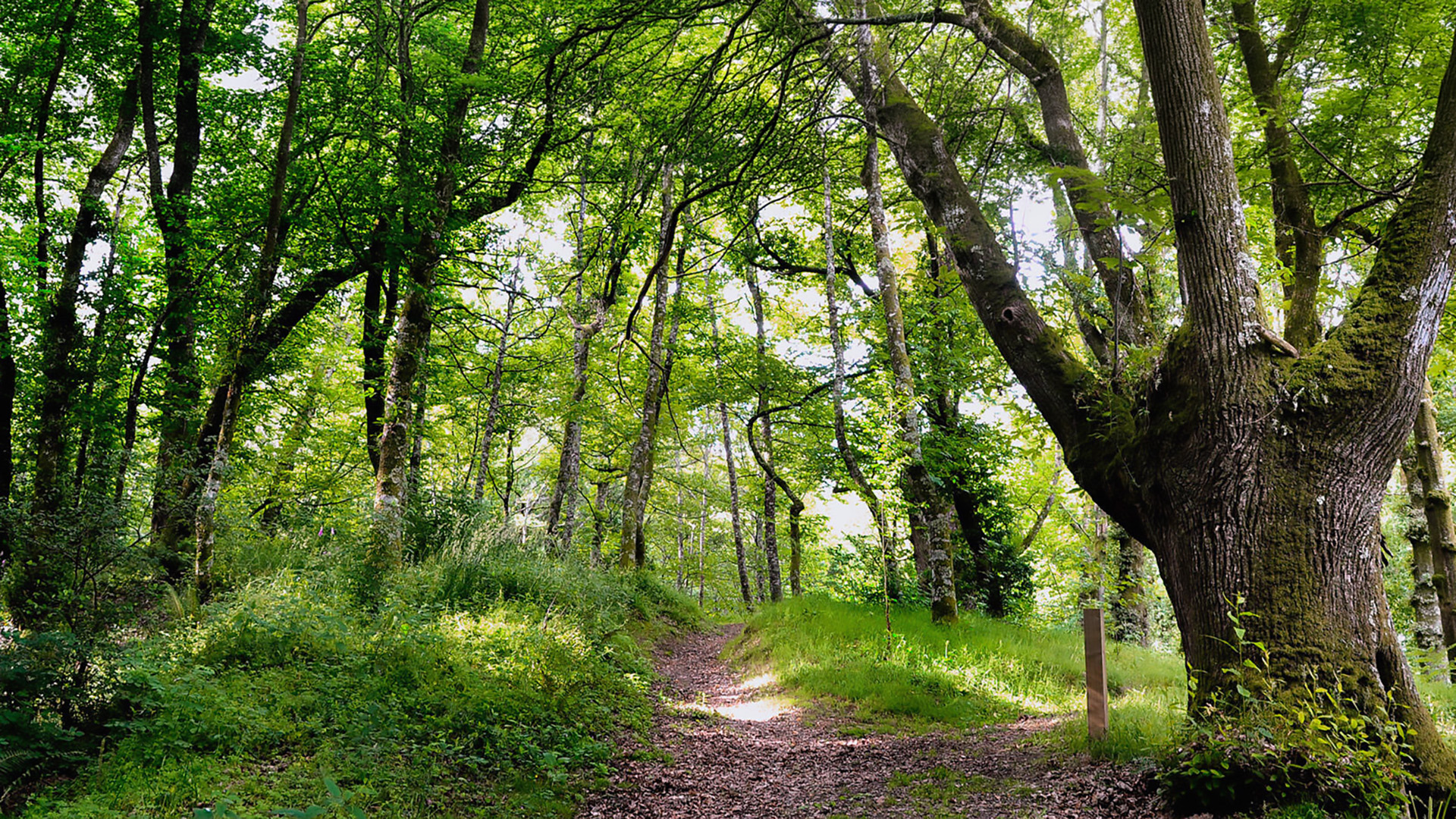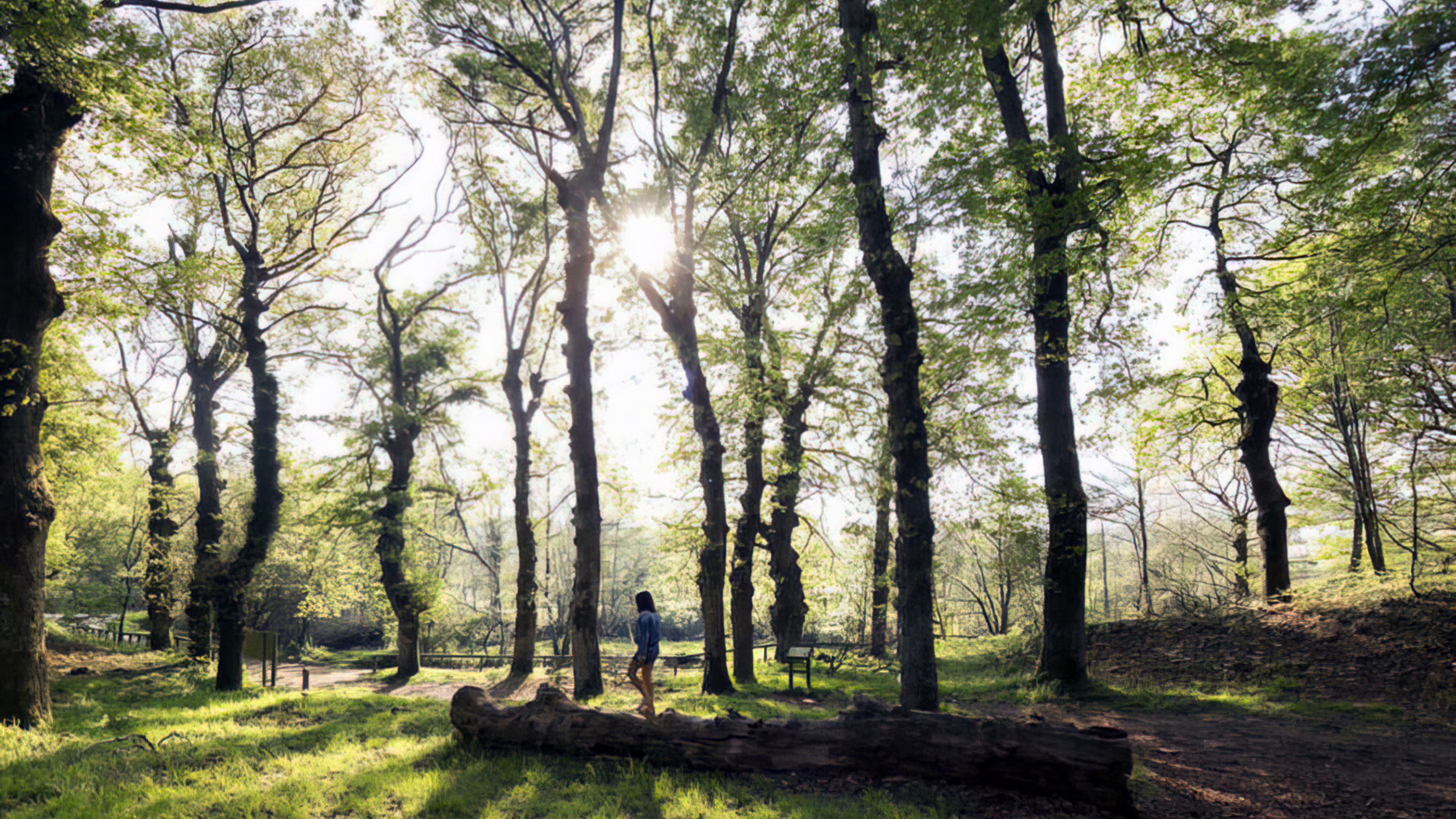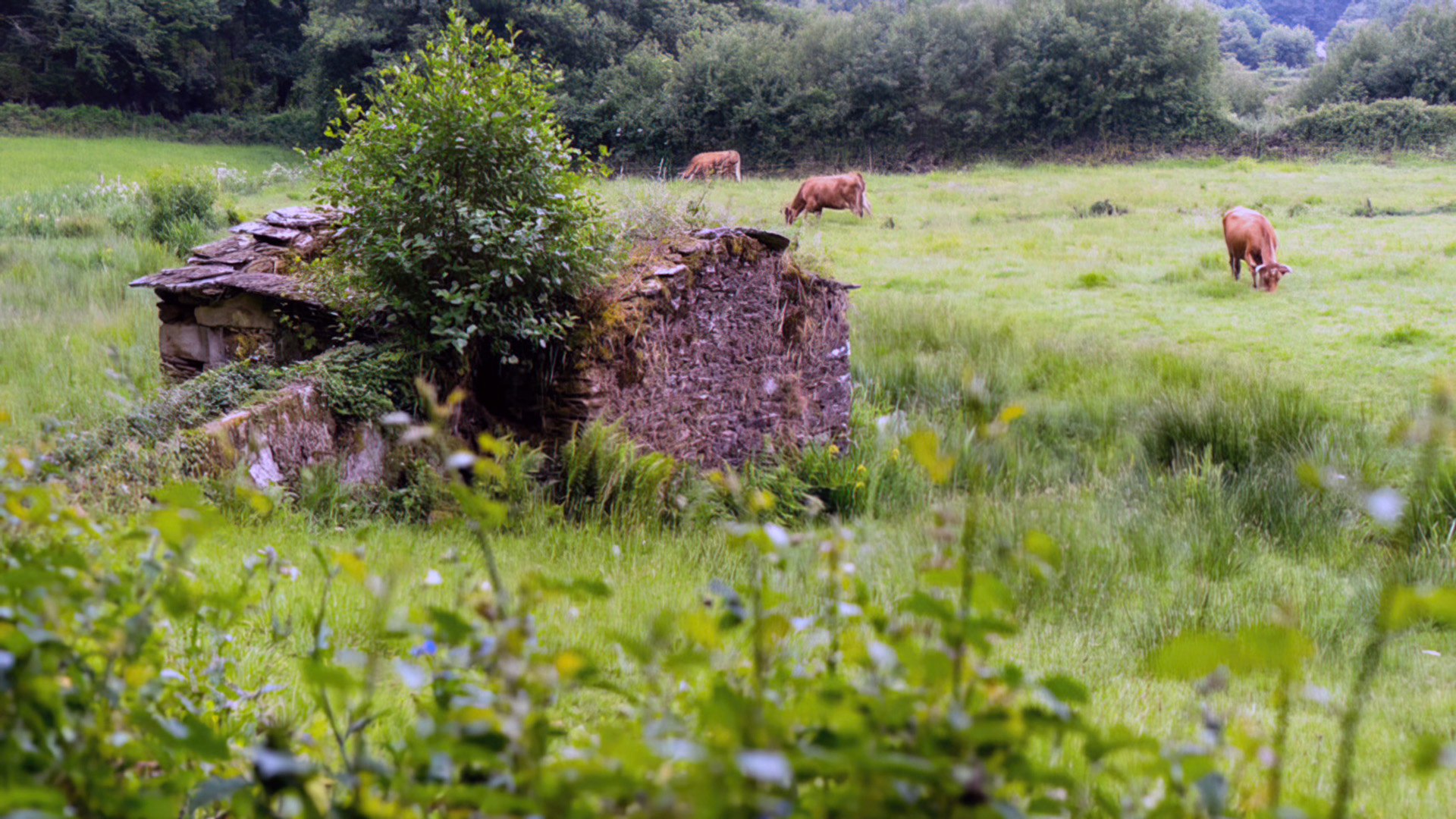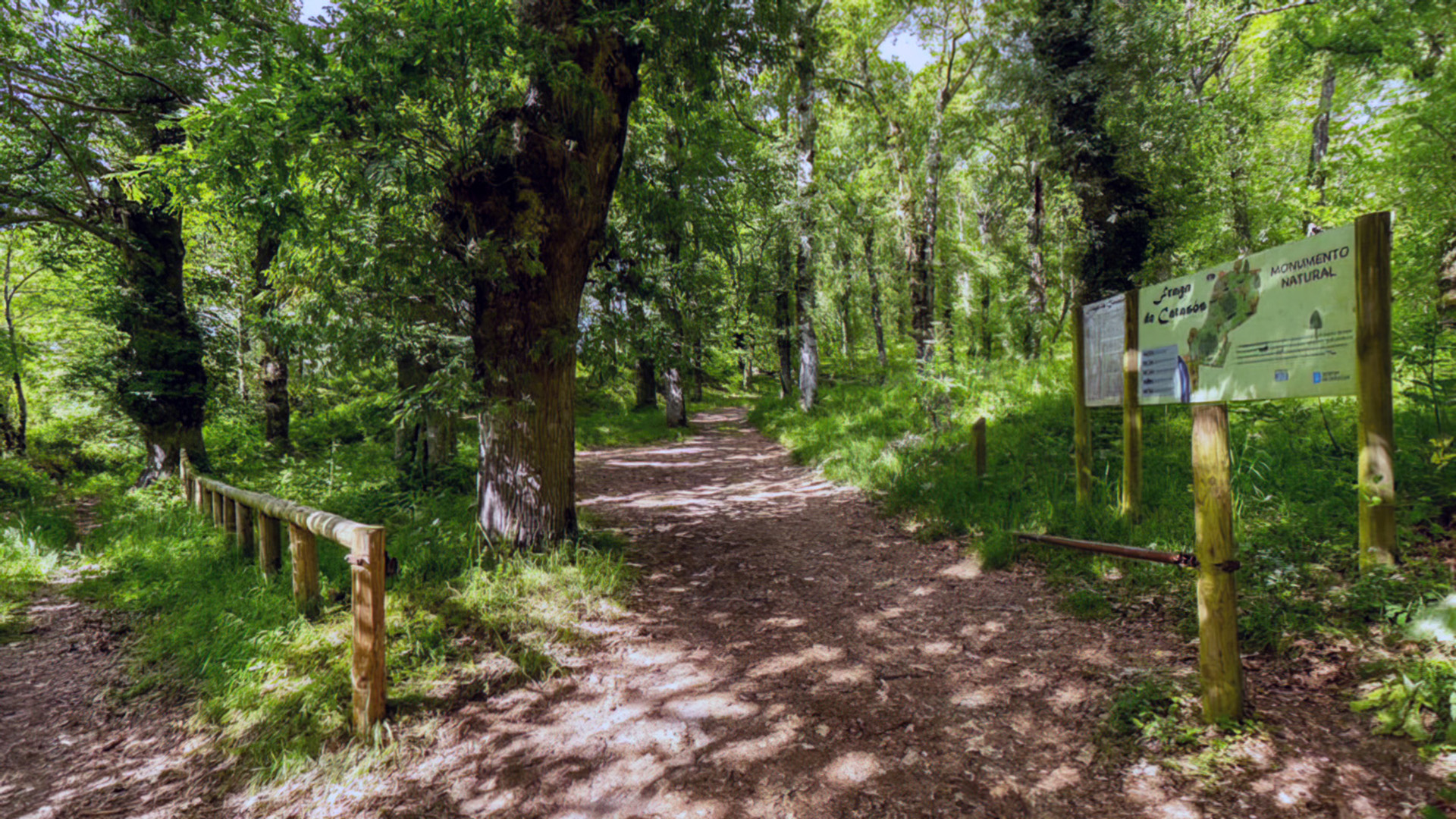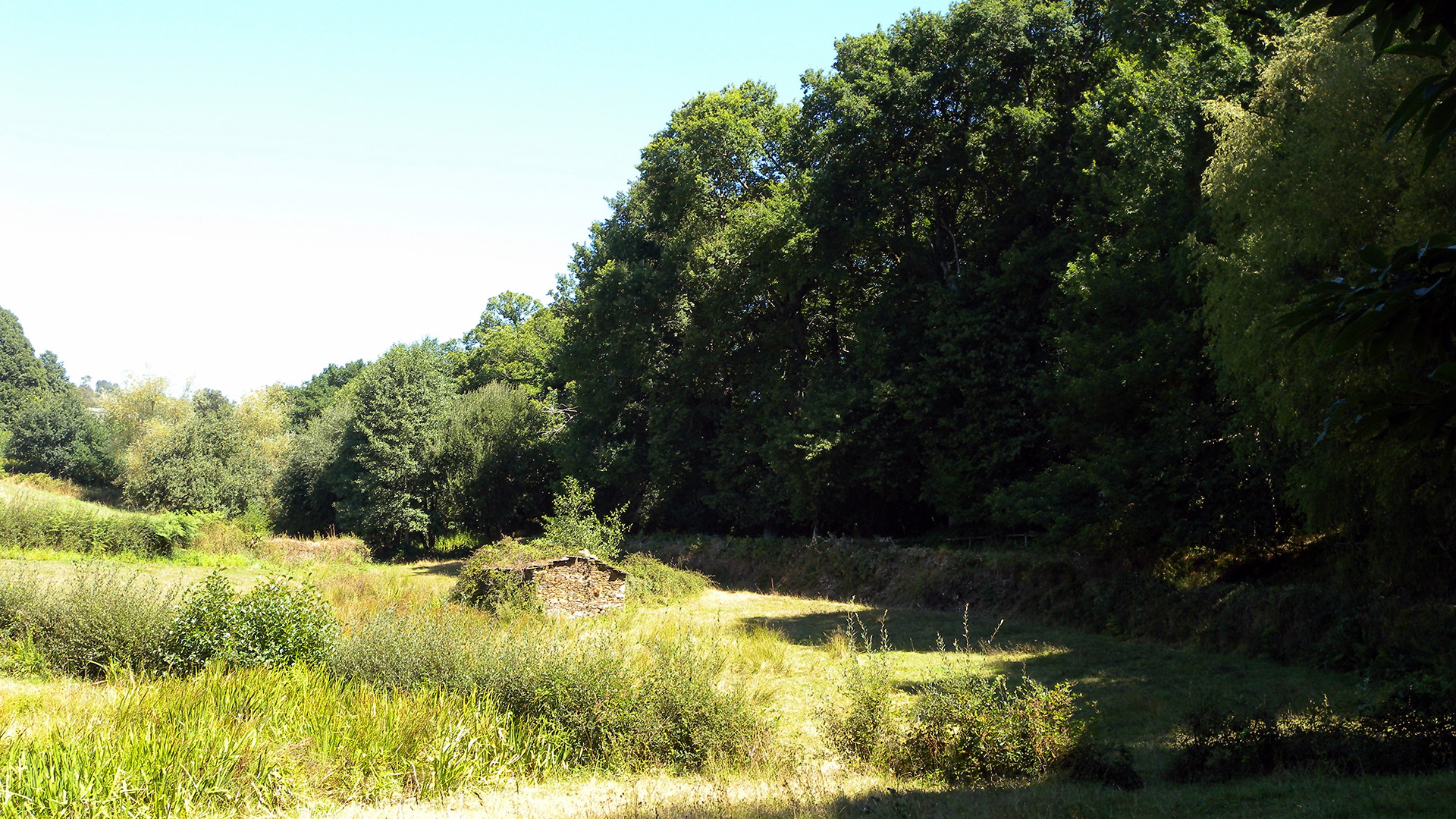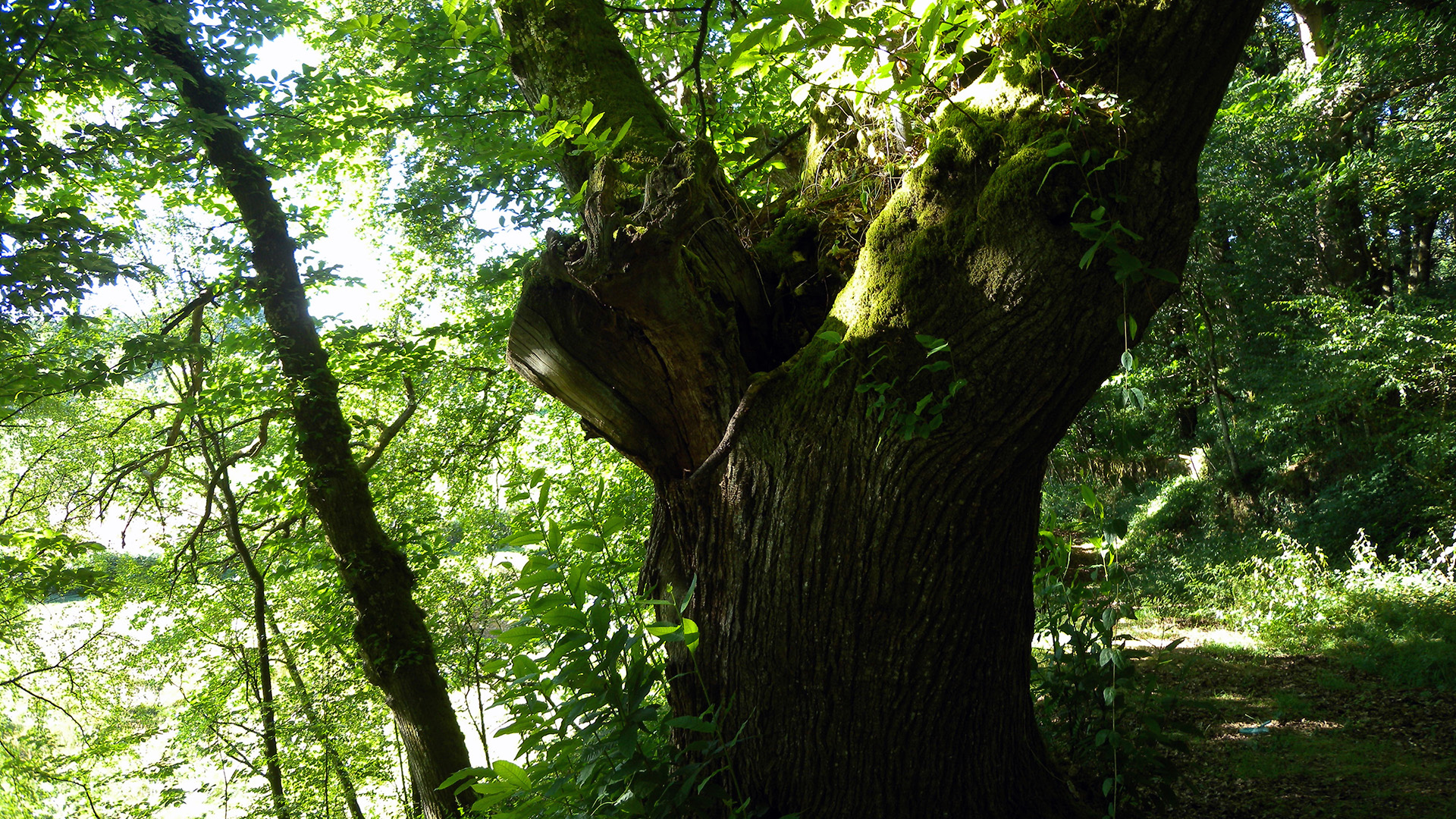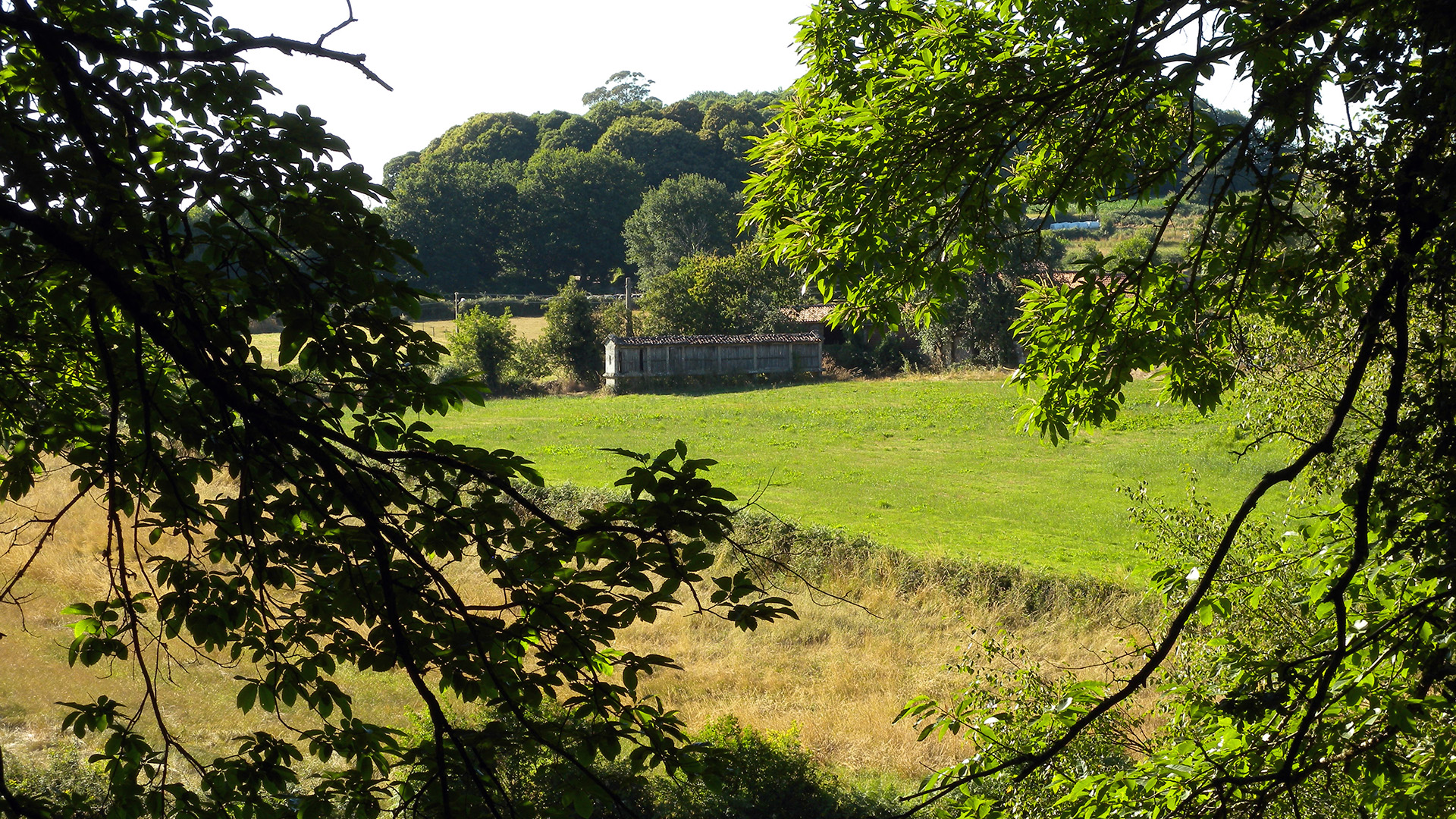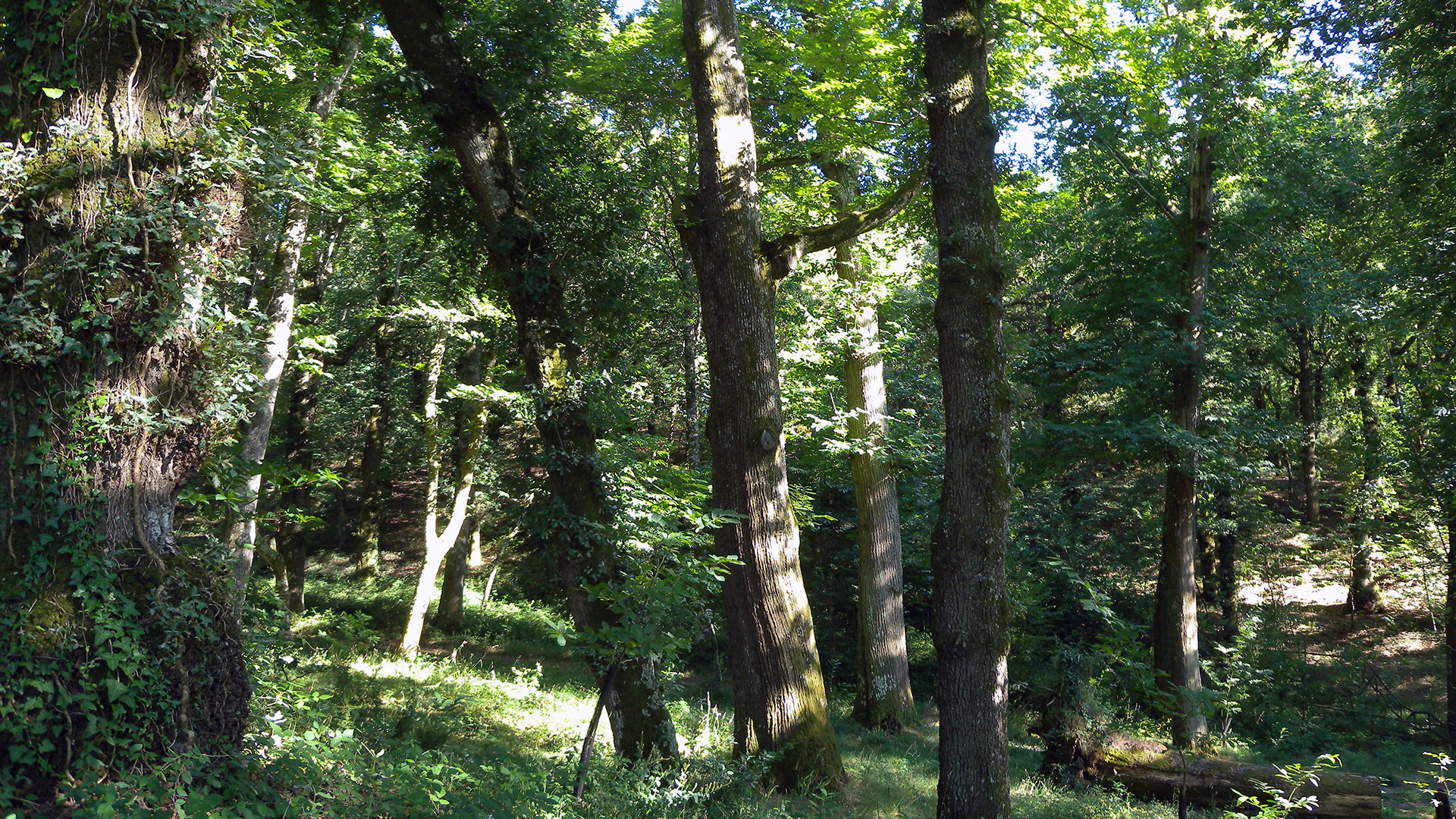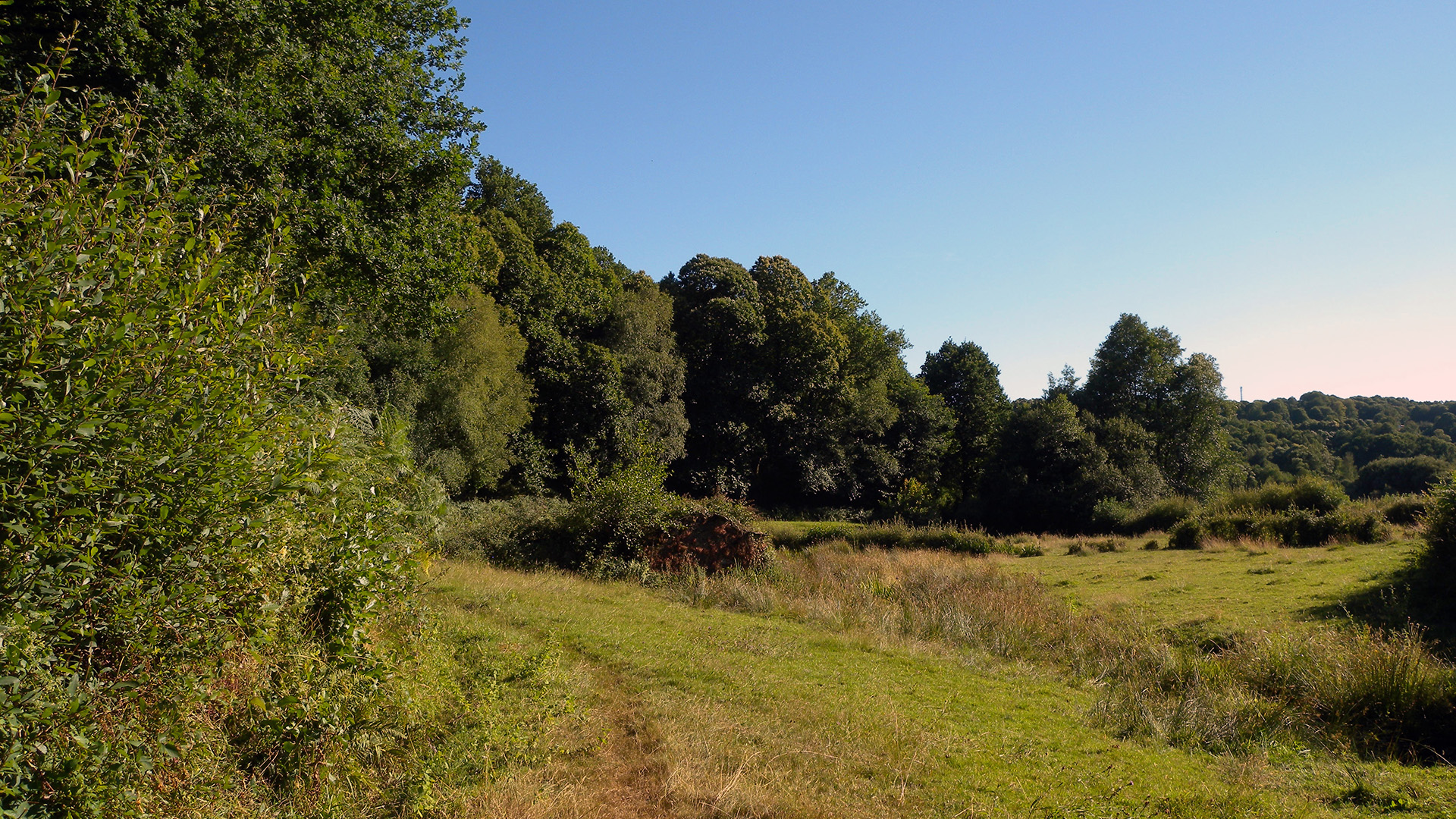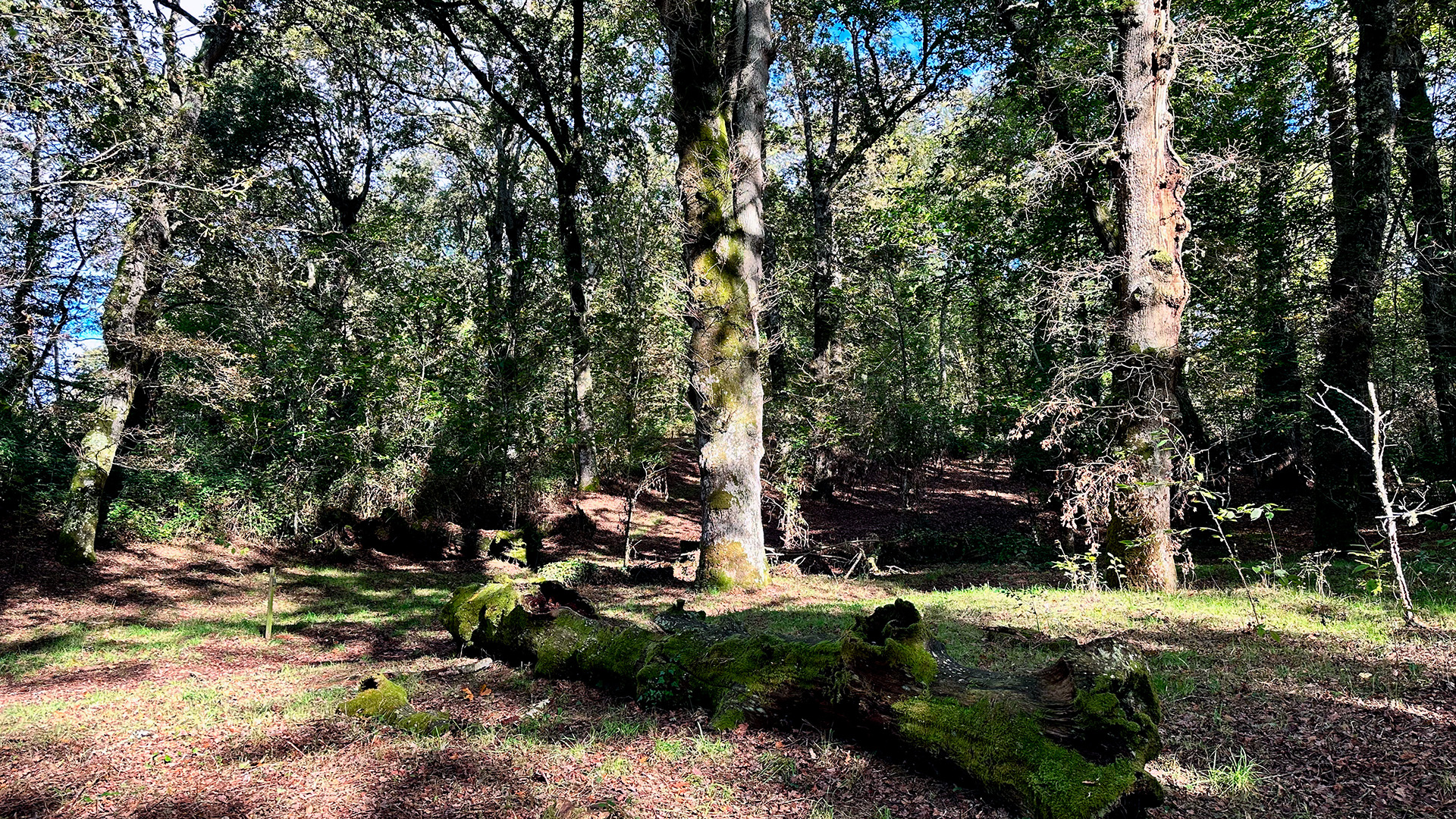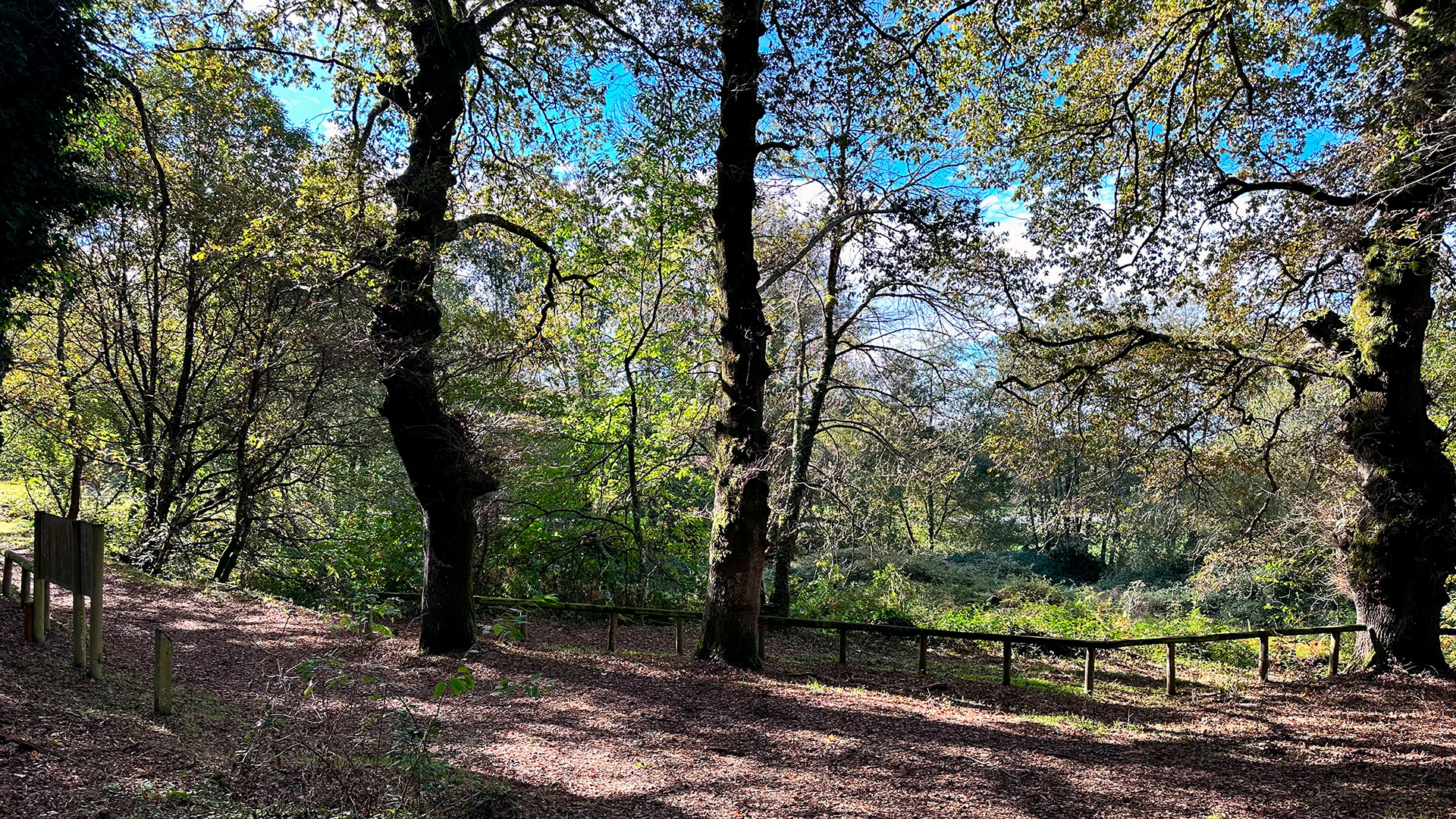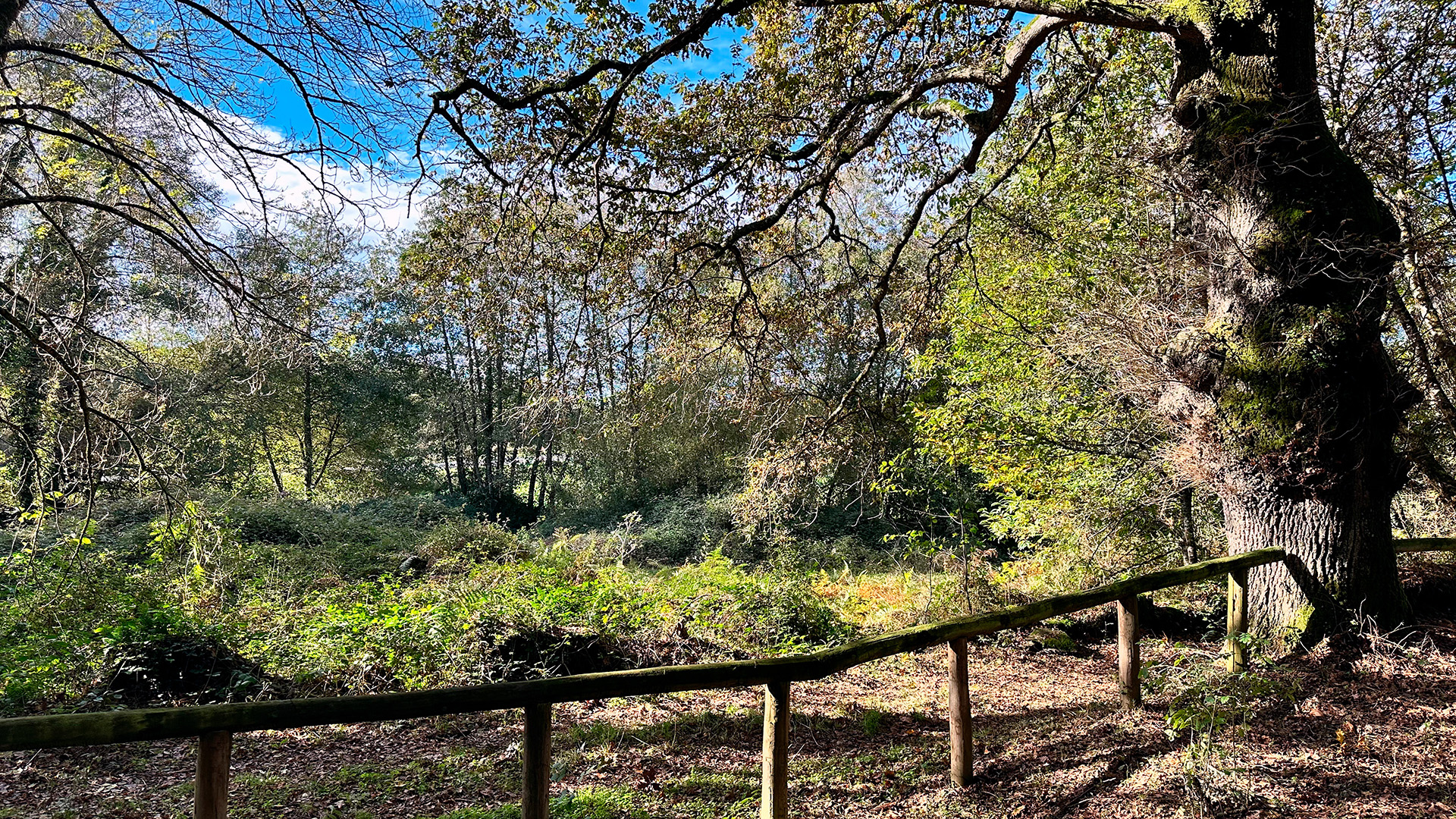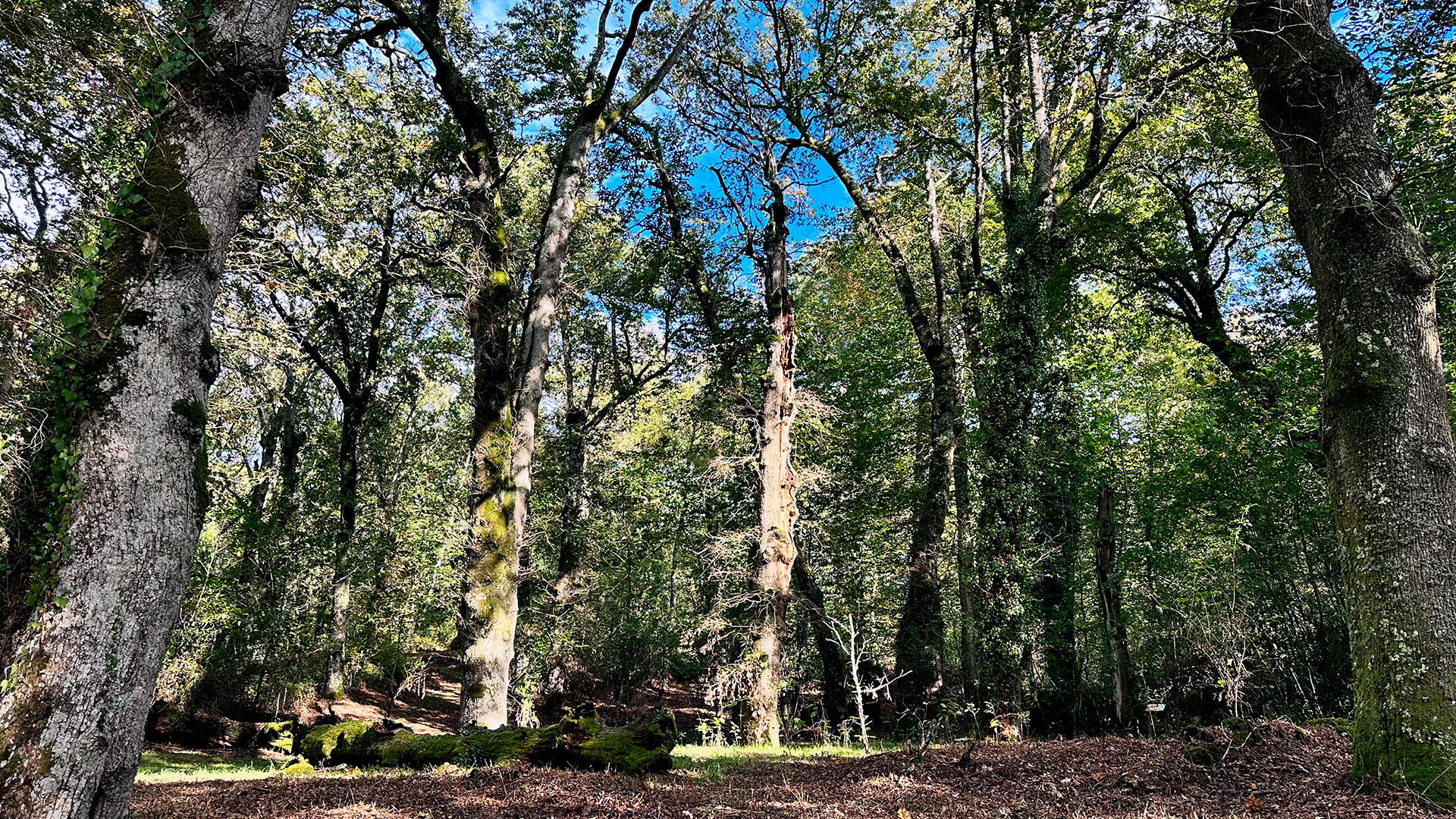
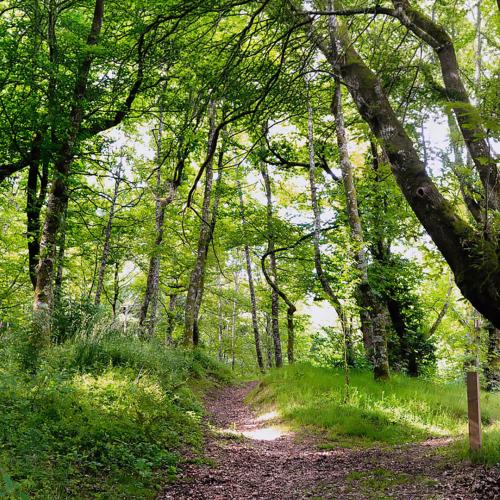
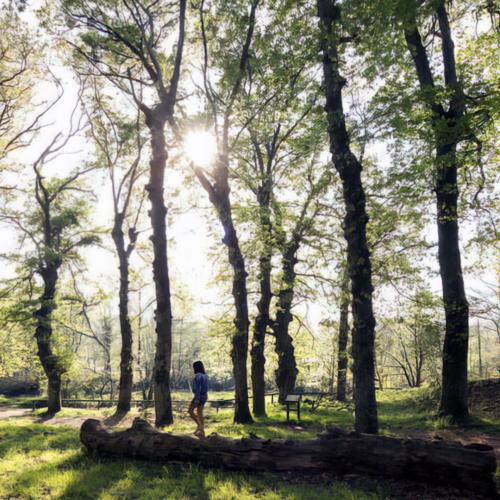
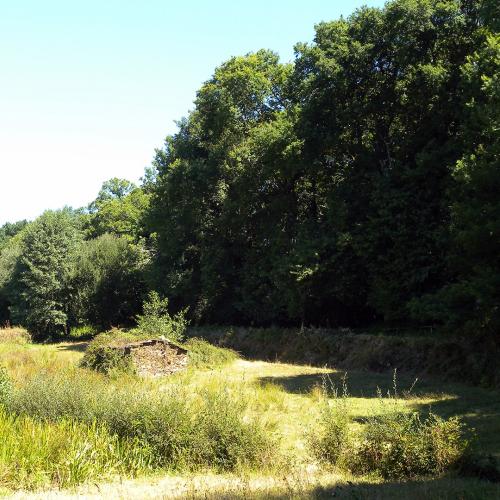
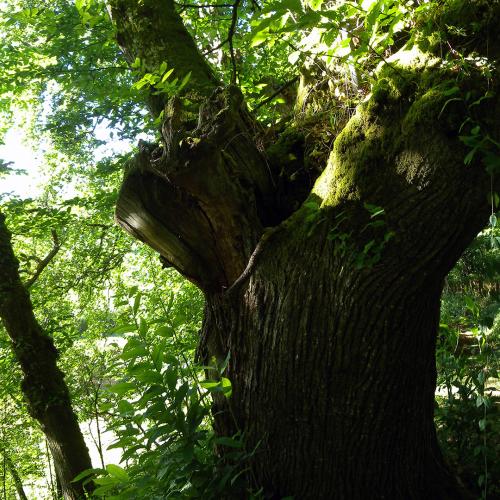
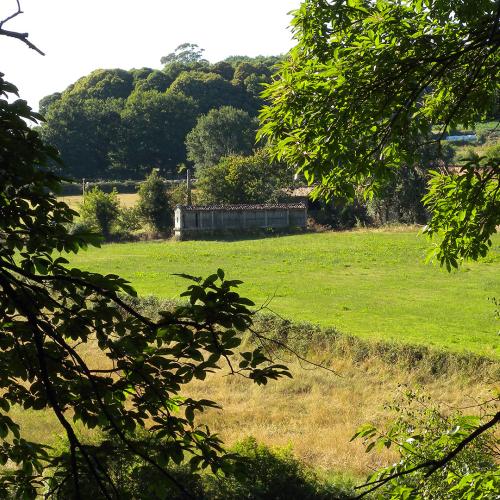
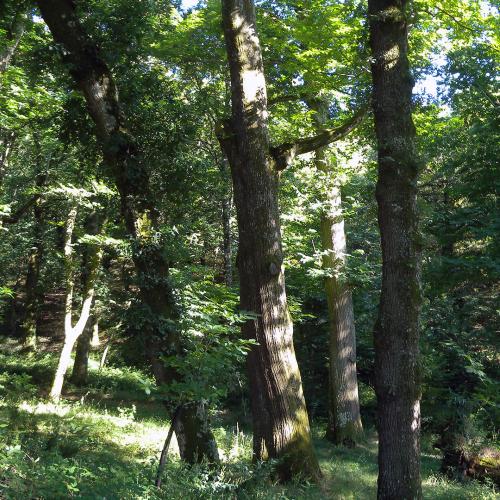
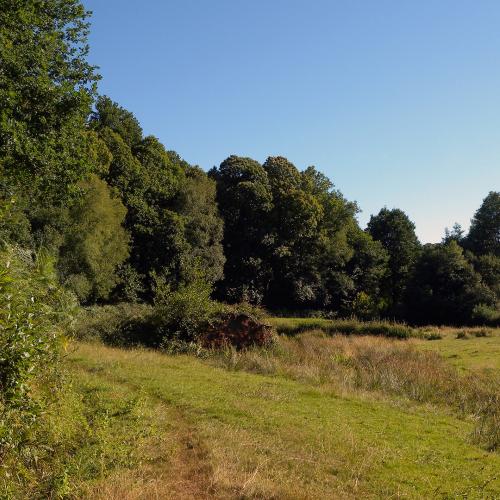
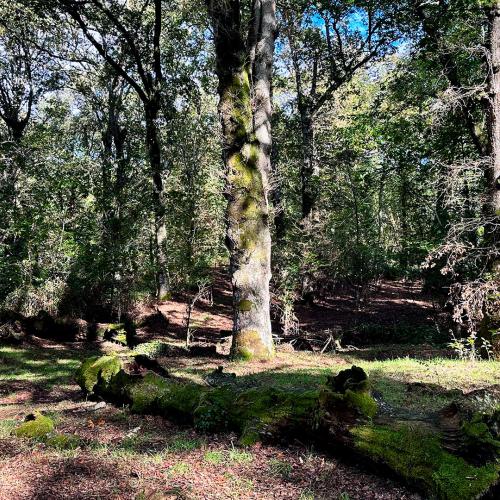
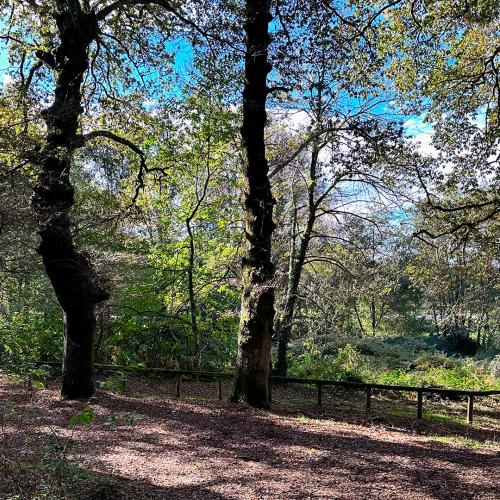
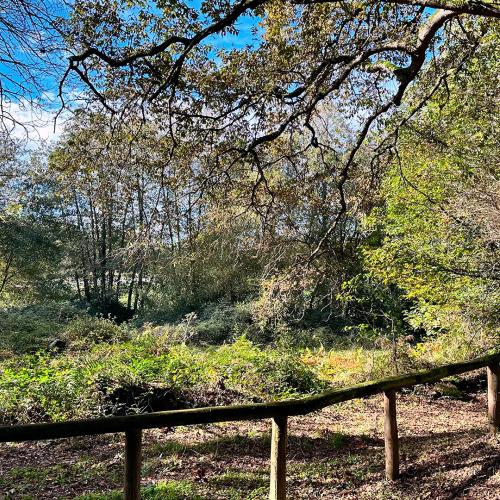
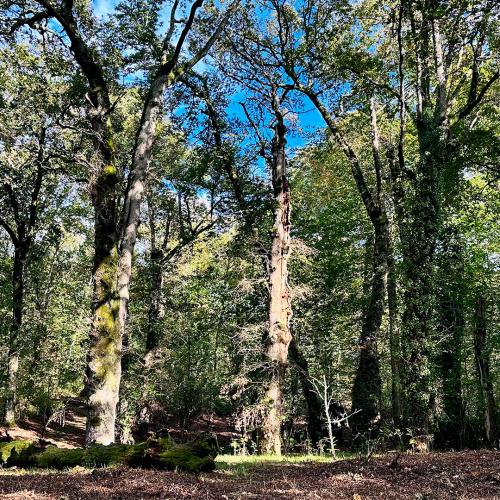
The Catasós Woodland (Fraga de Catasós), also known as the Carballeira de Quiroga, is a natural enclave of great ecological and scenic value located on the outskirts of Lalín, midway between Santiago de Compostela and Ourense. This mixed woodland is mainly composed of centuries-old oak and chestnut trees, some of which stand out for their remarkable size and height, reaching close to thirty metres and displaying large trunk circumferences. Because of their impressive dimensions, several of these specimens are considered among the most outstanding in Europe. Their botanical importance and uniqueness have led to initiatives for genetic study and conservation, as well as their use in the reforestation of other areas.
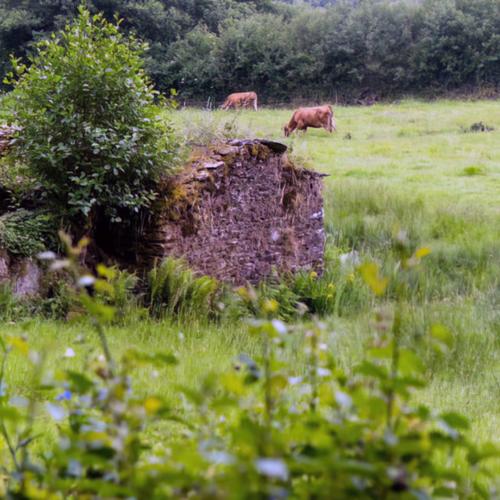
Beyond its natural richness, the forest also holds considerable historical and cultural value. The path that connects the forest with the Quiroga Manor House (Pazo de Quiroga) is linked to the writer Emilia Pardo Bazán, who found inspiration in this landscape for her novel The House of Ulloa (Os Pazos de Ulloa). Historically, the fruit of these chestnut trees provided sustenance during the long Galician winters, while their timber was used for beams and structural elements in the manor houses of the Deza region, thus linking nature and human tradition within the same landscape.
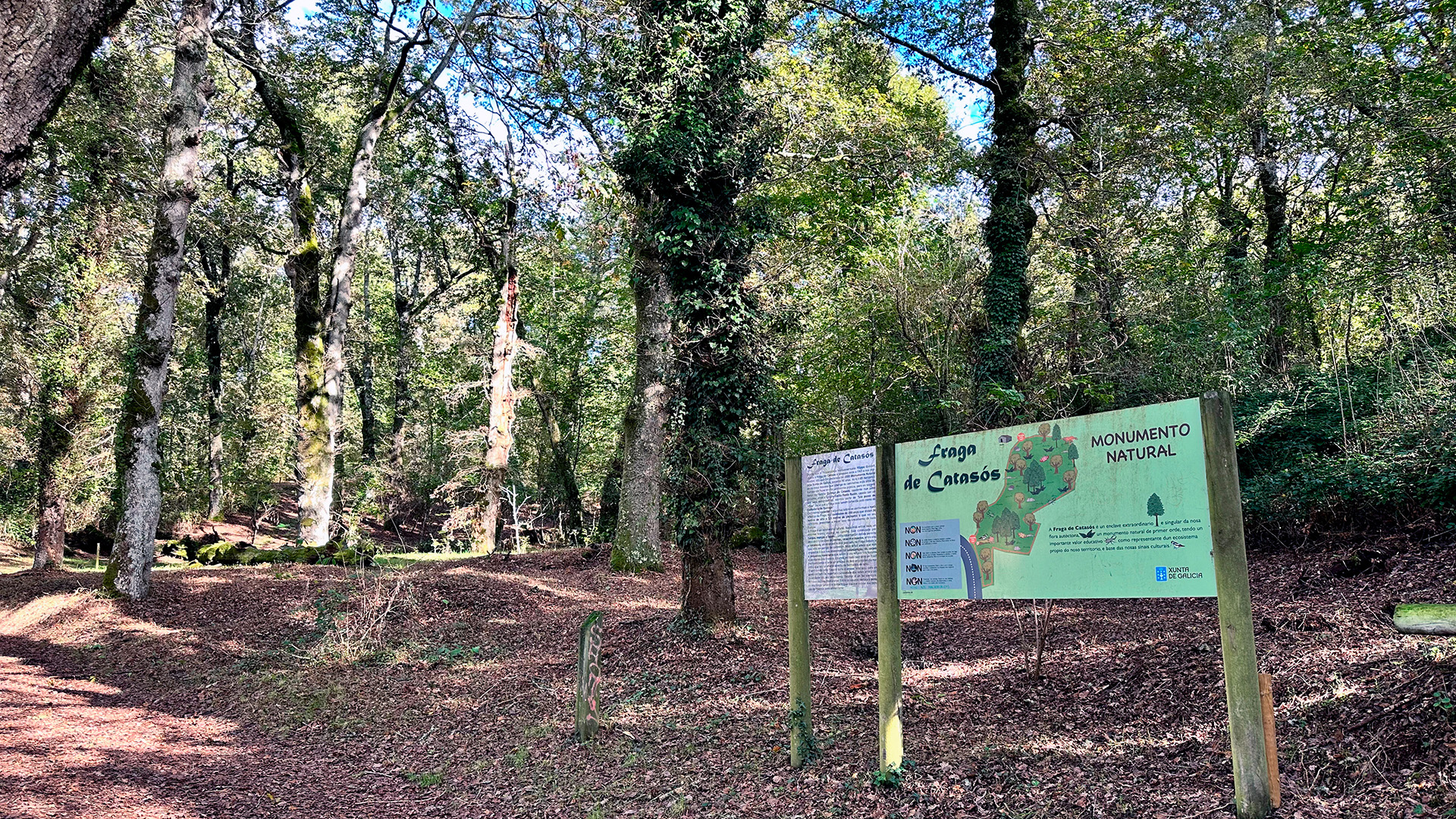
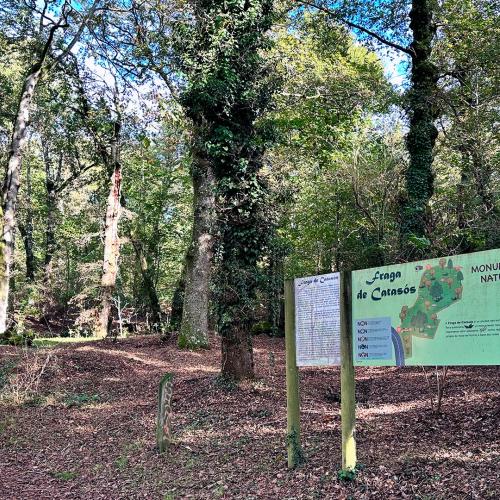
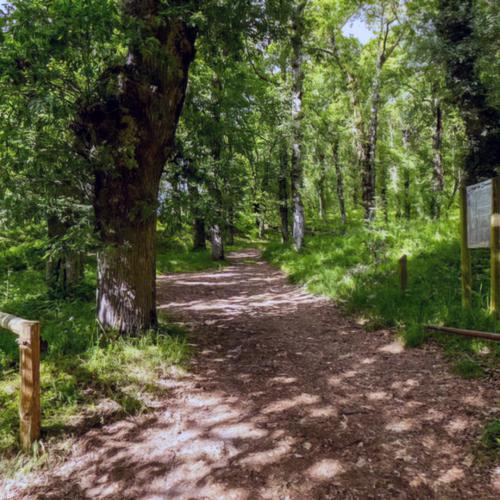
Today, Fraga de Catasós is protected as a Natural Monument, ensuring the preservation of its centuries-old trees and ecosystem. Walking through this deciduous woodland is easy and well signposted, with interpretive panels that help visitors understand the ecological and cultural significance of the site. Although its area is relatively small, the strength and beauty of its trees make it a remnant of the ancient Galician forest, offering visitors an experience that connects them with both the natural environment and the history of the region.